
As real-time air monitoring technology advances—offering continuous readouts, data logging, and automated alarms—it’s easy to think that traditional filter-based sampling has had its day. After all, who wouldn’t prefer instant feedback over waiting days for lab results? The efficiency, precision, and cost-effectiveness of modern sensors have truly revolutionized how we track airborne particulates and radiation levels.
But as impressive as these systems are, they cannot do everything. In our rush toward automation and real-time analytics, we risk losing something fundamental: the ability to collect, measure, and verify what’s physically in the air.
The Irreplaceable Value of Physical Samples
A real-time dust monitor can tell you how much particulate matter is present and even differentiate by size fraction or inferred composition. What it cannot do is tell you the radiological character of those particles—especially when it comes to long-lived alpha-emitting radionuclides.
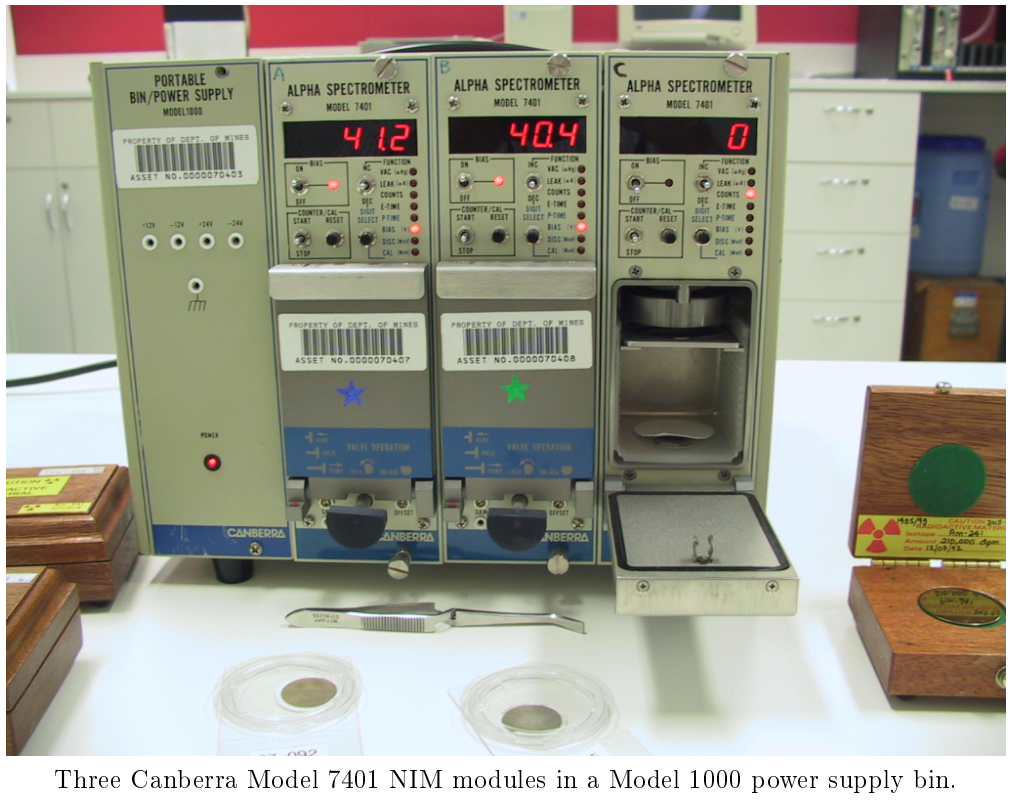
Only a physical filter sample can be analysed through alpha spectrometry or alpha counting. This step is essential for identifying isotopes such as uranium and thorium, and their decay products, which contribute disproportionately to dose despite their low concentrations. Without collecting filters, you lose the capacity to confirm and quantify these materials—and with it, the ability to fully assess worker or environmental exposure.
The Risk of Forgetting
As new technologies streamline monitoring programs, there’s a growing generation of occupational hygienists who may find themselves performing radiation protection who may never have handled a filter cassette or managed a sampling train. If physical sampling becomes a lost art, so too does our ability to detect and interpret the presence of long-lived alpha activity—a cornerstone of radiological protection.
A Call to Keep the Skill Alive
So, let’s keep teaching it. Let’s keep sampling. Even in an era of smart sensors and predictive analytics, the humble filter remains indispensable.
It’s not nostalgia; it’s about maintaining a complete toolkit. In radiation protection, that toolkit still matters.